
Quick answer: This Color Changing Foundation adapts to your skin for a natural, even look.
I hate wasting time picking the perfect shade. I used to buy foundations that sat in my drawer because the color was off. Color Changing Foundation solves that problem by adjusting to your skin tone on contact. It blends fast, looks natural, and cuts the guesswork. If you want a low-fuss base that matches day to day, this kind of formula makes makeup simple and reliable.
See the differences between my top picks at a glance.
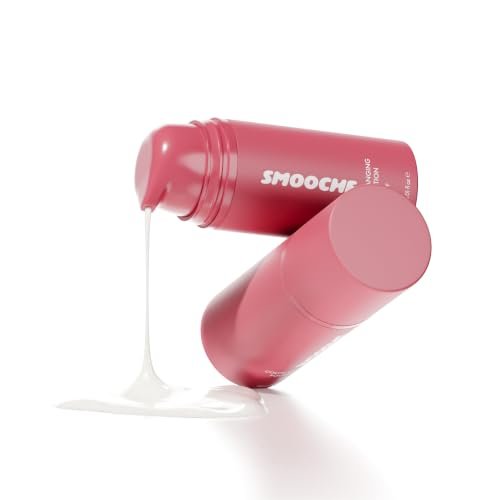
Smooche Color Changing Foundation (1.01 oz)

I tested this Color Changing Foundation over several weeks. The bottle gives a light, creamy formula. It feels smooth when I apply it with a brush or sponge. The formula claims to self-adjust to many skin tones and contains SPF 15 for daily wear.
On my skin, the finish looked natural. It blurred fine lines and reduced redness. Coverage sits at light to medium, so I used concealer for stronger spots. The texture is not heavy. It layers well without caking.
Pros:
- Self-adjusting shade that saves time on color matching
- Light, natural satin finish that looks skin-like
- Contains SPF 15 for everyday sun protection
- Blurs fine lines and evens tone with minimal product
- Works well with brushes and sponges for easy application
- Compact 1.01 fl oz bottle travels well
Cons:
- Coverage is light to medium—may not hide heavy discoloration
- Shade adaptation may be less precise on very deep or very fair tones
- Longevity varies on oily skin without a strong primer
What Amazon Buyers Are Saying
Buyers often praise the ease of use and immediate shade match. Many report the foundation blends quickly and looks natural. Customers note the SPF is a welcome add-on for daily wear. Some reviews mention the coverage is lighter than expected. A few users with very oily or very dry skin say they needed a primer or powder to keep it in place all day.
My Recommendation
I recommend this Color Changing Foundation to anyone who wants a fuss-free routine. It is best for normal to combination skin and for those who like light to medium coverage. If you need medium to full coverage, plan to layer with concealer or a more pigmented base. Overall, it gives a fresh, skin-like finish that simplifies shade matching.
How to Choose Best Color Changing Foundation
Choosing the right Color Changing Foundation matters. I look for shade range, coverage level, skin-type compatibility, and added benefits like SPF. I also check texture, ingredients, and how it layers with my other makeup. Below are three key factors I use when I shop.
1. Match and Adaptability
Check how the formula adapts. Some color changing formulas use pigments that react to pH or oils. Others change with temperature. I test a small swatch. If the product truly adapts, it should blend seamlessly into my jawline. Look for words like “self-adjusting” or “skin tone adapting.”
2. Coverage and Finish
Decide what coverage you need. Color Changing Foundation often gives light to medium coverage. That works well for everyday wear and for fresh, natural looks. If you need more coverage, plan to use a concealer or a fuller-coverage foundation. Pick the finish that suits your skin: matte for oily, satin for normal, and dewy for dry skin.
3. Ingredients and Skin Sensitivity
Read ingredient lists. I avoid heavy fragrances and alcohol for sensitive skin. Look for soothing ingredients like glycerin, hyaluronic acid, or niacinamide. Also check for SPF if you want added sun protection. If you have acne-prone skin, look for non-comedogenic labels and lighter textures.
In-Depth Guide: How Color Changing Foundation Works
Color Changing Foundation uses special pigments that alter as they meet skin oils or pH. The pigments are often micro-encapsulated. When you apply the formula, the capsules break and the pigment spreads. The result is a shade that looks closer to your natural tone. Some formulas also include pigments that neutralize redness or sallowness.
This tech helps brands offer fewer shade choices. It can save time. But it also has limits. Very deep or very pale tones may not see an accurate match. I always test before buying if I can. For online buys, read return policies.
Application Tips for Best Results
I learned the right steps by testing many foundations. Use these tips to get a flawless look with Color Changing Foundation.
- Prep skin with hydration. A damp sponge helps blend the formula evenly.
- Apply thin layers. Start with a pea-sized amount and build as needed.
- Use a beauty sponge for a seamless finish. Buff lightly in circular motions.
- Set with translucent powder in oily zones to boost longevity.
- Touch up with a small amount of concealer on problem spots.
Ingredients to Look For
Good ingredients improve wear and comfort. I prefer lightweight humectants and antioxidants. Here are ingredients I value in a Color Changing Foundation.
- Glycerin or hyaluronic acid for hydration.
- Niacinamide for evening skin tone and calming redness.
- Silicone derivatives for smoothing texture and blurring fine lines.
- Mineral filters for gentle SPF protection.
Performance By Skin Type
Knowing how a Color Changing Foundation reacts to your skin helps you predict results.
- Oily skin: Use a mattifying primer and set with powder. Choose formulas labeled oil-free.
- Dry skin: Hydrate and use a dewy-finish formula or a light face oil under the foundation.
- Combination skin: Use targeted primers. Matte T-zone and hydrating cheeks balance the look.
- Sensitive skin: Patch test first. Choose fragrance-free and non-irritating formulas.
Longevity and Touch-Ups
Color Changing Foundation lasts well with proper prep. I found most last 6–8 hours with a primer and powder on combination skin. For longer wear, use a long-wear primer and finish with a setting spray. Keep blotting papers handy for midday shine. Reapply a thin layer if coverage fades.
Cost and Value Considerations
These foundations often cost less than multi-shade lines because brands offer fewer SKUs. Check the price per ounce. Also look at how versatile the formula is. If it truly matches many skin tones, it might be a good value. Factor in SPF and skincare benefits when you compare.
Sustainability and Ethical Notes
I check packaging and cruelty-free claims. Some brands provide recyclable packaging and avoid animal testing. Look for clear labeling and transparency. If sustainable packaging matters to you, search brand pages for recycling info.
Alternatives and When to Use Them
Color Changing Foundation is great for quick routines and travel. But it is not always the best for heavy coverage needs or special occasions. For full-coverage looks, use a pigmented foundation and match shades in person. Keep a color changing formula as a go-to daily base.
Final Verdict: Which Should You Buy?
The Smooche Color Changing Foundation is my top pick for everyday wear. It gives a natural finish, adapts to many tones, and simplifies shade selection.
If you want an easy, skin-like base, this Color Changing Foundation is a smart buy for casual and office wear. Pair it with primer or concealer for fuller coverage.
FAQs Of Color Changing Foundation
How does Color Changing Foundation match my skin?
It uses adaptive pigments that react to skin oils or pH. The result is a shade that blends closer to your natural tone.
Is Color Changing Foundation good for sensitive skin?
Many formulas suit sensitive skin, but check the ingredient list. Avoid fragrances and alcohol if you are sensitive. Patch test first.
Can I get full coverage with Color Changing Foundation?
Most color changing formulas give light to medium coverage. For full coverage, layer a concealer or use a fuller-coverage base on top.
Does Color Changing Foundation contain SPF?
Some formulas include SPF. The Smooche foundation contains SPF 15. Still use a dedicated sunscreen for strong sun protection.
How long does Color Changing Foundation last on skin?
With primer and powder, expect 6–8 hours on normal skin. Longevity varies by skin type and climate. Use setting spray for extra hold.