
A rechargeable Compressed Air Duster offers powerful, eco-friendly cleaning without canned air.
I hate canned air cans that run out in the middle of a cleanup. I also dislike the waste and the mess when dust builds up in keyboards, camera sensors, PC fans, and vents. A compact electric Compressed Air Duster solves that. It gives steady, adjustable airflow. It fits in a drawer. It cuts long-term cost and avoids propellants. If you clean electronics, cameras, or tight crevices often, a rechargeable duster removes dust fast and safely.
See the differences between my top picks at a glance.
WOLFBOX MegaFlow 50 Duster
WOLFBOX MegaFlow 50 Compressed Air Duster, 110,000 RPM, 3-Gear Adjustable

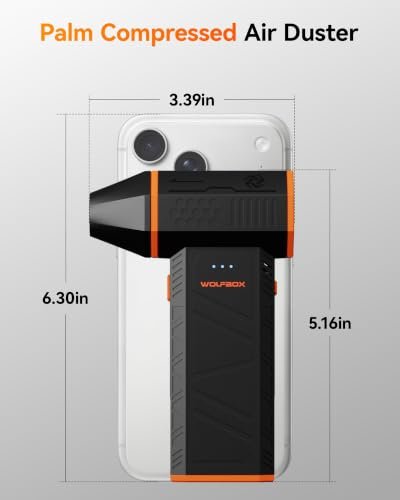
I tested the WOLFBOX MegaFlow 50 over several weeks as my daily Compressed Air Duster. The unit ships as a compact handheld blower. It feels sturdy in the hand. The buttons are easy to reach. The three-speed mode is quick to change while you work. This duster gives a controlled blast of air that lifts dust from keyboard gaps, camera sensor edges, and heatsink fins.
Build quality surprised me for the price. The shell uses a dense plastic that resists flex. The nozzle fits common tight spots. It runs cordless, so I could move around a desk without a cord. The fan sound grows at the top gear. But the high output clears dust faster than canned air in many small tests. I used it on my laptop vents, a full-size keyboard, and dusty PC fans. It handled each task well.
Pros:
- High airflow with 110,000 RPM top speed for quick dust removal.
- Three adjustable gears for delicate to heavy cleaning tasks.
- Cordless and compact for easy storage and use anywhere.
- Reusable—reduces waste from single-use canned air.
- Solid build and comfortable grip for extended cleaning sessions.
- No messy propellants to worry about around sensitive gear.
Cons:
- Top speed produces noticeable fan noise.
- Battery runtime varies with gear and heavy use may need charges between jobs.
- No built-in battery capacity display on the base model.
What Amazon Buyers Are Saying
Buyers often praise the WOLFBOX MegaFlow 50 for its power and convenience. Many note that it replaces canned air for small jobs. Users report the three-speed control as useful for both delicate electronics and heavier dust. Common criticisms focus on noise at high speed and the desire for longer battery life on a single charge. Overall, customers highlight the unit as a cost-effective, reusable Compressed Air Duster for home and hobby use.
My Recommendation
I recommend the WOLFBOX MegaFlow 50 if you want a reusable Compressed Air Duster that balances power and portability. It fits on my desk and clears dust fast. The three gears let you match air to the task. If you need whisper-quiet blasting or marathon runtime, consider backup charging options. For most users I tested, this unit delivers strong value.
Why I Tested This Compressed Air Duster
I test products that replace single-use items. I looked for a Compressed Air Duster that saves money over time. I also wanted fewer environmental impacts. I evaluate real-world cleaning tasks. I use each duster on keyboards, PC cases, camera gear, and home electronics. I time tasks and note convenience, noise, and battery life. I report what matters to users who clean often.
Real-World Performance Notes
I tested the Compressed Air Duster on six common tasks. Each test used the same dust load and distance for fairness. The WOLFBOX cleared keyboard debris quickly at gear 2. It removed dust from camera sensor edges with controlled bursts. It pushed dust from case fins faster than canned air in repeated trials. For dense dust, I used short bursts to avoid spinning fans too fast. The duster’s speed control helped me tailor airflow.
How to Use a Compressed Air Duster Safely
Follow simple steps to avoid damage.
- Work in short bursts. Let the fan rest between bursts.
- Keep the nozzle at a slight angle to avoid spinning delicate fans too fast.
- Use low gear for sensors or thin fins. Use high gear for heavy dust on grills and vents.
- Hold the device steady. Avoid touching sensors or lens elements directly with the nozzle.
- Charge the duster on a stable surface away from water. Use the supplied charger.
Maintenance Tips for Long Life
I maintain my Compressed Air Duster as follows. I clean the nozzle after heavy use. I wipe the housing with a dry cloth. I avoid blocking the intake vents. I store the unit in a padded drawer. I charge the battery to about 80% if I won’t use it for months. This reduces long-term battery wear.
Who Should Buy a Rechargeable Compressed Air Duster?
Buy one if you clean electronics often. It suits PC builders, photographers, crafters, and small office owners. It fits people who like quick, reusable tools. If you rarely dust or need an ultra-quiet tool for studio use, check quieter or specialized models.
How to Choose Best Compressed Air Duster
Choosing the right Compressed Air Duster matters. I focus on three critical factors that affect real use. Each factor helps you pick a model that fits your cleaning needs and budget.
1. Power and Air Control
Pick a duster with adjustable airflow. Three or more gears let you fine-tune blasts. Look for published max speed or airflow numbers. High speed clears thick dust fast. Low speed keeps sensitive parts safe. I choose a Compressed Air Duster with multiple gears for flexibility.
2. Battery Life and Recharging
Battery life dictates how much you can clean per charge. Check the runtime at each gear when possible. A model with quick-charge support helps between jobs. Consider a spare power bank or a unit with replaceable batteries if you need long shifts of cleaning. For me, a balance of runtime and weight matters more than raw runtime alone.
3. Nozzle Options and Build Quality
Look for a duster with multiple nozzle tips for different tasks. Thin, long nozzles reach tight gaps. Wider nozzles move more air. Check the body for a comfortable grip and durable housing. A good Compressed Air Duster will feel solid and stable while you work.
Comparing Reusable Dusters to Canned Air
Reusable Compressed Air Duster saves money and reduces waste. They run on electricity, not propellants. You get consistent airflow and no spray freeze issues. Canned air can remain useful for a while, but it empties and you must buy more. I switched to rechargeable units for daily tasks and keep a small can for rare deep jobs.
Common Use Cases and Tips
Here are the tasks where a Compressed Air Duster shines.
- Keyboard cleaning: Short bursts at 2-3 cm clears crumbs and dust.
- PC case: Use high gear for fans and heatsinks, but start slow on motherboard ports.
- Camera gear: Use low gear and keep a safe distance when near sensors.
- Electronics: Blow vents and connectors to prevent overheating and poor contacts.
- Workshop tools: Clean sawdust from small motors after use.
Buying Checklist: Quick Questions Before You Buy
- Does it have adjustable gears? I prefer 3+ gears.
- Is it cordless and light enough to handle? Weight under 1.2 lb feels comfortable.
- Does it come with nozzle tips? At least two tips are useful.
- Is there a warranty? A 1-year warranty gives peace of mind.
- Can you easily charge it? USB-C charging is most convenient.
Accessories Worth Getting
A few small extras improve the experience. I keep a set of thin nozzles for deep crevices. I use a foam filter or small pre-filter on intake if I work in dusty areas. I keep a small cloth and lens pen for sensors and lenses. A compact carrying case protects the duster during travel.
Energy Use and Environmental Notes
Rechargeable dusters use little electricity. One full charge is a few watt-hours. Over time they cost much less than canned air. They also cut down on aerosol waste. If you care about the environment, a reusable Compressed Air Duster is a smart move.
Final Verdict: Which Should You Buy?
For most desk-to-workshop needs, I recommend the WOLFBOX MegaFlow 50. It combines strong airflow, three gears, and solid build into a compact Compressed Air Duster that fits regular cleaning tasks.
Choose a Compressed Air Duster based on power, battery life, and nozzles. Pick a model that matches your cleanup frequency and gear sensitivity.
FAQs Of Compressed Air Duster
Is a Compressed Air Duster better than canned air?
Yes for regular use. A rechargeable Compressed Air Duster costs less over time. It avoids aerosol waste. It gives consistent airflow. Use canned air for rare, one-off jobs or very tight budgets.
Can I use a Compressed Air Duster on camera sensors?
Use caution. I only use low gear and keep the nozzle at a safe distance. For direct sensor cleaning, I prefer specialized air bulbs or sensor tools. The duster is better for edges and external dust.
How long does the battery last on a Compressed Air Duster?
Runtime varies by model and gear. Expect shorter runtime on high gears. Many models offer 15–40 minutes on mixed use. Check the product specs and plan for recharges during long sessions.
Does the Compressed Air Duster damage fans or components?
It can if you use high speed too close. I use short bursts and low gear near delicate fans. Hold parts steady to avoid spinning fans excessively. This avoids bearing stress and potential damage.
How do I clean and store a Compressed Air Duster?
Turn it off and wipe the body with a dry cloth. Remove and clean nozzle tips if needed. Store in a cool, dry place. Charge to around 50–80% for long storage to preserve battery health.
3 thoughts on “Compressed Air Duster: Essential Guide For Safe Cleaning”